


-

Add: HeBei ShengShi HongBang Cellulose Technology CO.,LTD.
-

Email
13180486930@163.com -

CONTACT US
+86 13180486930


Rubber Powder is a cutting-edge recycled material obtained by grinding waste rubber into fine granules, widely used across polymer compounds, tire production, coatings, industrial gaskets, and more. Amidst rising sustainability standards and advanced recycling technologies, understanding rubber powder uses is vital for manufacturers, engineers, and buyers seeking cost-effective and high-performance solutions. This in-depth guide explores market trends, technical data, production processes, and Rubber powder-821 as a standout product backed by real-world applications and professional insights. 1. Industry Trends & Market Outlook (2024) Global Market Size (2024E): USD 2.4 Billion. Projected CAGR (2024-2029): 7.9% ( Grand View Research, 2024 ). Key Growth Drivers: Circular economy push, tire recycling mandates, cost reduction for rubber compounds, improved nitrile rubber powder resilience. End-use Verticals: Tires, industrial floorings, coatings, sealants, shoe soles, modified asphalt, and sports fields. Emerging Techs: Cryogenic/electro-mechanical grinding, nano-structured fine rubber powder , hybrid rubber/talc blends. 2. What is Rubber Powder? Technical Overview & Main Parameters Material Source & Types Derived from scrap tires, SBR, or nitrile rubber powder . Types include coarse (180-400μm), fine (40-100μm), or surface modified grades for rubber powder coating or anti-tack applications. Key Physical Properties Particle Size: 40–400 μm Moisture Content: <0.5% Purity: >98.7% (free from steel/textile) Bulk Density: 450–650 kg/m 3 International Standards ISO/TS 9273: Rubber recycling - Particle size spec. ANSI/ASTM D5603 for Recycled Rubber Quality REACH/FDA for coating & compound approvals Rubber Powder Parameters & Rubber Powder Uses Table Application Grade (Particle Size) Industry Value-Added (USD/ton) Technical Benefits Rubber powder uses in Tire Tread 80-120 mesh (≤175μm) Automotive 115-150 Good abrasion & consistency Rubber powder for Asphalt Modifier 40-80 mesh (450–180μm) Infrastructure 120-160 Enhanced elasticity, crack resistance Nitrile rubber powder for EPDM Compounds 80–200 mesh (175–75μm) Industrial/Automotive 140-175 Oil/solvent resistance, anti-tack Rubber powder coating Microfine (<63μm) Coating/Construction 155-190 UV, chemical resistance, tight film Talc powder for rubber blend Blend Rubber Compound 25-40 Improves processing, prevents sticking 3. Production Process: Manufacturing Flow of Rubber Powder Stepwise Manufacturing Diagram – Rubber Powder Uses Supply Chain 1. Raw Material Collection: Waste tires, SBR/EPDM scrap, NBR pieces (pre-inspected for contaminants) 2. Primary Shredding: Hydraulic crushers reduce size to 40–100mm chips. Magnetic separator removes steel wire. 3. Fine Grinding/Milling: Cryogenic or ambient mills crush chips to required mesh. Sifter ensures size uniformity (e.g., 80–200 mesh for fine rubber powder ). 4. Surface Modification (Optional): Rubber anti-tack powder, talc powder for rubber, or chemical additives blended in for processing optimization. 5. Packaging & QC: Graded powder packed in moistureproof bags. Samples sent for ISO/ASTM testing—particle size, purity, moisture, and ash content are validated. 6. Supply: Delivered globally for tire, coating, sealant, and downstream rubber powder uses . [▶ Watch Rubber Powder Plant Video (3:28)] 4. Featured Product: Rubber powder-821 Model: Rubber powder-821 | Official Product Page Particle Size: 90–150 μm (typically 100 mesh) Color: Black Purity: ≥99.2%, steel-free Moisture: ≤0.20% Bulk Density: 540–665 kg/m 3 Surface Modifier: Talc-powder blend option for improved anti-tack Compliance: ISO/TS 9273, ANSI D5603, RoHS, REACH Service Life: Up to 20 years in standard tire applications Applications: Tire compounds, rubberized asphalt, sealants, shoe soles, anti-tack powders, coatings Product Comparison Table: Rubber powder-821 vs Key Competitors Brand Product Mesh Size (μm) Purity (%) Moisture (%) ISO Certified Rubber Powder Price (USD/ton) HuaBang Rubber powder-821 90–150 ≥99.2 ≤0.2 Yes 135–160 Genan GENAN Fine Powder 63–180 ≥98.5 ≤0.5 Yes 140–170 Liberty Tire Micro-Rubber® 75–200 ≥97.6 ≤0.6 Yes 152–182 Entech UltraFine Powder 100–200 ≥98.2 ≤0.4 Yes 142–160 5. Technological Advantages: Why Choose Fine Rubber Powder? Fine rubber powder provides increased surface area for better adhesion in rubbers and coatings. Surface-modified powders enable customizable rubber powder uses including anti-tack, heat resistance, & chemical durability. Reduces virgin polymer consumption by 10–25% per formulation ( Elsevier Journal, 2021 ). Meets stringent RoHS, REACH, and ISO environmental compliance. Optimized for both hot melt and aqueous rubber powder coating processes. 6. Tailored Solutions: Customization & Support Customization Options Mesh Size: From 40 mesh (coarse) to 200 mesh (ultrafine) to control modulus, texture, and application fit. Surface Modification: Blending with rubber anti tack powder or talc powder for rubber for optimized processing. Packaging: 20kg, 25kg, 600kg super sacks depending on project size or automated production lines. On-site Technical Training: For major industrial clients installing new rubber powder production line equipment. Certified Manufacturer: HuaBang (22+ years rubber recycling expertise). Key Certifications: ISO 9001:2015, ISO/TS 9273, ANSI D5603, REACH-Compliant. Major Partners: Goodyear, Michelin, State Grid, LG Chemical. Reference: Major use in rubber powder uses for national expressway asphalt projects since 2018. 7. Application Case Studies & Industry Feedback Case 1: Rubber powder-821 in Tire Compounds ( Leading global tire OEM, 2023 ) Formula: 9% Rubber powder-821 + SBR + Silica + Antioxidant Achieved: 7% wear improvement; cost savings 12%/batch; passed ISO 28580 rolling resistance test Customer Quote: “High purity and uniformity of powder-821 allowed for seamless integration into our green tire recipes” ( Lead Material Engineer, APAC ). Case 2: Modified Asphalt in Municipal Infrastructure Project: State expressway (500km), completed 2022 Composition: 14% rubber powder-821 w/ talc powder for anti-tack Result: Rutting reduced by 31%, surface microcracking reduced, cost per km decreased by 10.4% Case 3: Rubber powder coating for Industrial Floors Usage: Blended microfine powder with latex emulsion, sprayed onto warehouse floors Benefits: Enhanced non-slip, chemical & UV stability, wears 2x slower than mineral-based coatings Standard: ASTM D4060 (Abrasion), ISO 8191 (Flame Spread) 8. Professional FAQ: Rubber Powder Terminology Explained Q1: What is the difference between fine rubber powder and standard rubber powder? A: Fine rubber powder (usually <100μm) has a larger surface area, providing superior dispersion and adhesion in polymers, coatings, and sealants. Standard powder (150–400μm) is mainly used for bulk fill or cushioning. Q2: How does nitrile rubber powder differ from SBR powder in applications? A: Nitrile rubber powder is oil/chemical resistant and often used in industrial gaskets and automotive sealants, while SBR powder is favored in tires, rubber flooring, and shoe soles for abrasion and cost benefits. Q3: What is the function of rubber anti tack powder ? A: Anti tack powders (talc/silica or specialty blends) prevent rubber sheets from sticking during mixing, storage, or transport, speeding up production lines and enhancing compound uniformity. Q4: Are there industry-recognized standards for rubber powder uses ? A: Yes. Key standards include ISO/TS 9273 (size and purity), ANSI/ASTM D5603 (recycled rubber), ASTM D412 (mechanical testing for rubber blends), and REACH/FDA when used in coatings or food-contact items. Q5: What are the key parameters to control when choosing rubber powder? A: Particle size (mesh), moisture content, steel fiber contamination, ash, surface chemistry (e.g., talc-coated), and international certifications. Q6: How does talc powder for rubber complement rubber powder? A: Talc acts as a processing aid, prevents sticking, and improves compound flow. In rubber powder, talc coating can further facilitate blending and anti-tack properties in extrusion or calendering. Q7: What support is available from the supplier for commissioning a rubber powder production line ? A: Suppliers such as HuaBang provide design consultation, equipment specification, on-site training, and post-installation technical support to ensure compliance with ISO/ASTM standards and maximum process efficiency. 9. Delivery, Warranty & Support Lead Time: Standard shipment within 7–15 business days after order confirmation. Warranty: 2-year product guarantee. Technical support provided throughout project lifecycle. Quality Control: Every batch tested for size, purity, and performance per ISO/ASTM. Support Channels: 24/7 technical hotline, rapid response (<1h for urgent issues), on-site consultation available for large-scale users. Customized supplier audits and documentation for major contracts in petrochemical, metallurgy, and water supply sectors. 10. FAQ: Frequently Asked Questions about Rubber Powder Uses Q1. Can rubber powder replace virgin rubber completely? A: It is generally used as a partial replacement (up to 35% in most compound recipes) to balance cost and mechanical performance. Q2. What is the most cost-efficient rubber powder price range in 2024? A: For fine mesh (80–120 mesh) rubber powder, USD 135–172/ton depending on purchase volume and surface modification. Q3. Which industries most benefit from rubber powder uses ? A: Tire manufacturing, asphalt modification, shoe sole compounding, industrial gaskets, and high-performance rubber powder coating . Q4. How long does Rubber powder-821 last in real applications? A: Up to 20 years in properly formulated tire treads; 6–12 years in external sealants or coatings under normal UV exposure. Q5. Any certifications required for export? A: Yes – ISO/TS 9273, REACH, MSDS, and local environmental certification are mandatory for key markets. 11. References & Further Reading “Recycled rubber powder has revolutionized the tire and elastomer sector, providing a circular solution with stable costs and eco-profile. Its adoption in polymer modification has seen a steady increase, driven by performance and sustainability mandates.” — Rubber News Recycling Forum, 2023 “Multi-functional rubber powder uses span from high-performance asphalt to advanced polymer coatings, validated by international standards and real-world case studies.” — Construction & Building Materials, Elsevier, 2021 “The maturity of rubber powder production line technology combined with ISO/TS based QC has made China and EU leaders in the recycled rubber market.” — Grand View Research, 2024 Explore detailed product data and technical support at: Rubber powder-821
- 40000tons

Production
- 20+years

Experience
- 5000+㎡

Acreage

-
As industries evolve, innovative materials like chlorinated rubber powder are revolutionizing manufacturing processes and product development. From coatings to gloves, this versatile material ensures durability, flexibility, and enhanced performance across applications. Understanding how rubber powder price and related technologies impact your business is key to staying ahead. The Role of Rubber Powder Price in Industry Growth The rubber powder price plays a crucial role in determining the accessibility and profitability of various industrial applications. As a cost-effective material, chlorinated rubber powder is widely used in manufacturing paints, coatings, and adhesives. Its resistance to water, chemicals, and abrasion ensures long-lasting performance, making it a staple for industries like construction, automotive, and marine. Monitoring fluctuations in the rubber powder price is essential for manufacturers aiming to maintain competitive pricing while ensuring product quality. Bulk purchases and advances in production techniques have made this material more affordable, enabling small and large-scale businesses to benefit from its remarkable properties. Chlorinated Rubber Powder: A Game-Changer in Coatings One of the standout applications of chlorinated rubber powder is in the development of high-performance coatings. Its exceptional resistance to chemicals and harsh environments makes it a preferred choice for industrial and marine coatings. These coatings protect structures from corrosion, extending their lifespan and reducing maintenance costs. In addition to durability, chlorinated rubber powder enhances the adhesion of coatings to various surfaces, including metals and concrete. This versatility allows industries to tackle challenges posed by extreme weather conditions or heavy industrial use. With its cost-to-performance ratio closely linked to the rubber powder price , businesses can achieve premium finishes without exceeding budget constraints. Rubber Accelerator Free Gloves: Ensuring Safety and Comfort The demand for rubber accelerator free gloves is growing, driven by the need for hypoallergenic and environmentally friendly alternatives. These gloves, free from chemical accelerators, are safer for individuals with sensitive skin or allergies, making them ideal for healthcare, food handling, and industrial use. Chlorinated rubber powder contributes to the production of these innovative gloves by enhancing their flexibility and durability. Unlike traditional gloves, which may degrade quickly or cause discomfort, those made with rubber accelerator free gloves technology provide exceptional protection and comfort. This breakthrough not only supports worker safety but also aligns with global efforts toward sustainable manufacturing practices. Balancing Quality and Cost with Rubber Powder Price For manufacturers, balancing quality and cost is a constant challenge. By leveraging the benefits of chlorinated rubber powder , businesses can optimize product performance while maintaining competitive pricing. The rubber powder price is influenced by factors like raw material availability, production efficiency, and market demand. To remain competitive, many industries are adopting advanced technologies that improve the cost-efficiency of chlorinated rubber powder production. Innovations in recycling and sustainable sourcing have also contributed to stabilizing the rubber powder price , making it accessible for a broader range of applications. Elevate Your Products with Chlorinated Rubber Powder Whether you’re in the coatings, automotive, or safety equipment industry, chlorinated rubber powder offers unparalleled advantages. Its resistance to harsh conditions, compatibility with various materials, and cost-effectiveness tied to the rubber powder price make it an indispensable material for innovation. Additionally, the rise of rubber accelerator free gloves showcases how this material is driving progress in safety and environmental responsibility. By incorporating chlorinated rubber powder into your processes, you can enhance product quality, meet customer expectations, and contribute to a more sustainable future.
-
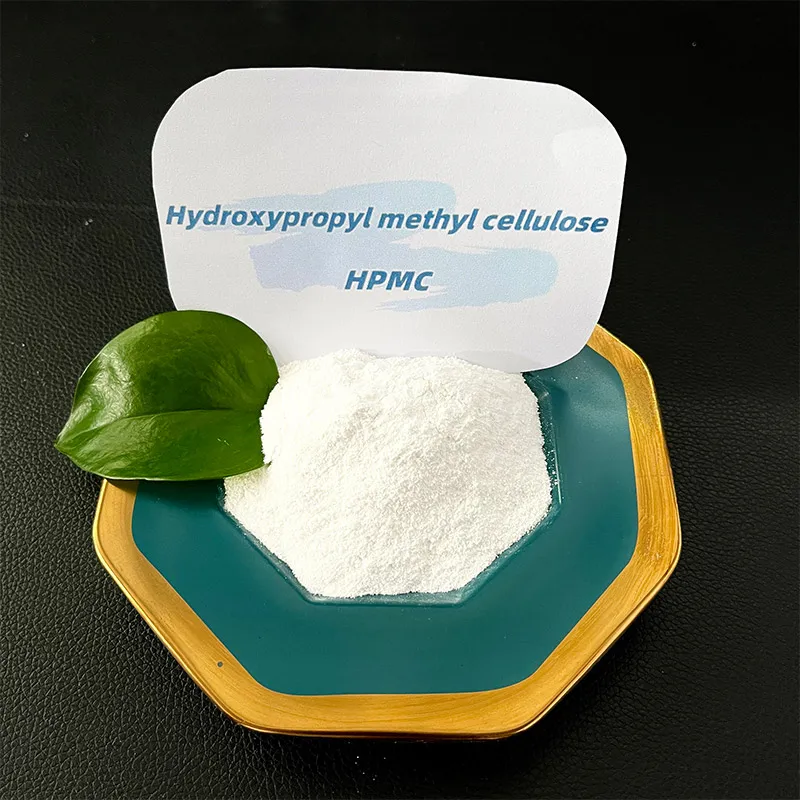
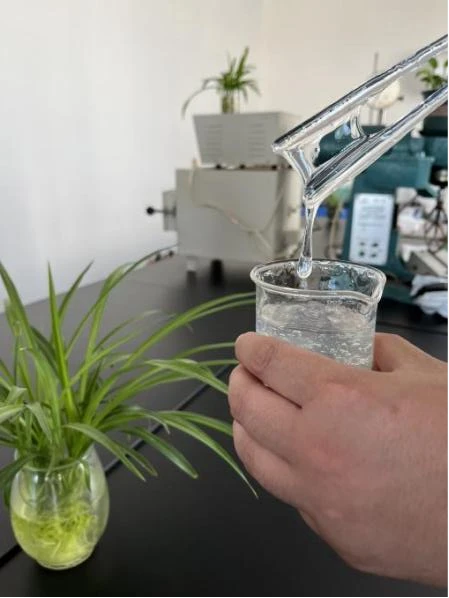
Hydroxypropyl methylcellulose (HPMC) is widely recognized as a versatile compound that finds its application across various industries. Preparing HPMC solutions is paramount for ensuring its effective performance, whether in pharmaceuticals, food processing, or construction. This article sheds light on the expertise required, authoritative guidelines, and trustworthy methodologies associated with HPMC solution preparation. Experience in HPMC solution preparation reveals that the process is both an art and a science, demanding precision and knowledge. Users often face challenges such as insolubility, clumping, or achieving the desired viscosity. These challenges can be mitigated by following specific preparation steps . Here, I will share a streamlined process derived from years of hands-on experience 1. Selection of Grade The choice of HPMC grade significantly influences the end properties of the solution. Different grades offer varying viscosities and gel temperatures, making it crucial to consult technical specification sheets provided by manufacturers to select the right grade for your application needs. 2. Water Quality The quality of solvent, usually water, plays a critical role. Using deionized or distilled water enhances solubility and prevents any potential reactions from contaminants. Experience confirms that temperature-controlled environments boost the solubility rate and uniformity of HPMC throughout the solution. 3. Dispersion Technique Accurate dispersion ensures the complete hydration of HPMC without forming clumps. Begin by sprinkling HPMC slowly into the solvent while stirring continuously. An authoritative tip involves using mechanical stirrers to maintain a consistent dispersal, achieving a lump-free solution efficiently. 4. Temperature Control The temperature of the solvent should be monitored closely. HPMC tends to dissolve better in cold water. By initially employing cold water to disperse the HPMC and later heating it up if the application demands a higher temperature, one can secure optimal results. hpmc solution preparation 5. Hydration Time Time is a crucial factor in preparing an HPMC solution. Allow the solution to hydrate fully, which might take several hours depending on the grade and environmental conditions. Patience is key as incomplete hydration could result in suboptimal solution properties. 6. pH Adjustment For applications requiring specific pH levels, adjust the pH of the solution after full hydration. Different grades of HPMC might react differently to pH adjustments, so it's advisable to conduct small-scale tests before full-scale operations. From a professional standpoint, the expertise of troubleshooting common issues cannot be overstated. In some cases, adding a non-ionic surfactant can assist in reducing surface tension and improving solubility. Furthermore, employing an industrial homogenizer can yield a finer, more consistent HPMC solution in high-demand applications. To establish authority in the preparation of HPMC solutions, it’s paramount to adhere to standardized practices as endorsed by industry leaders. Following guidelines from entities like the United States Pharmacopeia (USP) can ensure compliance and efficacy in pharmaceutical applications. Maintaining a record of every batch's preparation details ensures traceability and identifies areas for future optimization. Trustworthiness is built through consistency and transparency. Regularly testing and documenting the rheological properties of prepared solutions guarantees batch-to-batch uniformity. For enhanced credibility, consider third-party verification from accredited laboratories to validate the effectiveness and safety of the final solution. In conclusion, HPMC solution preparation demands a blend of practical experience, specialized knowledge, and adherence to authoritative protocols. By following these best practices, one can ensure the creation of high-quality HPMC solutions suitable for a variety of applications, ultimately fostering trust and reliability in the end product.
advantages
-

200000 Viscosities
Excellent product
We can produce pure products up to 200,000 viscosities
-

40000 tons
High yield
We don’t stop production all year round, and the annual output can reach 40,000 tons
-

24 hours
Quality service
We provide 24-hours online reception service, welcome to consult at any time
———— Inquiry Form
Schedule A services



-
 kemikal_na_dyipsum_retarder
Oct . 25, 2025
Advancements in Starch Ether Technology: Innovation in Material Science Starch ether , a refined whi -
 fibras_sinteticas_fuertes
Oct . 25, 2025
Methocel HPMC, scientifically known as Hydroxypropyl Methylcellulose, is a versatile ingredient reno -
 pp_macro_fiber
Oct . 25, 2025
Polypropylene fiber, often referred to as PP fiber, is revolutionizing a multitude of industries wit


